
Choosing the right decking material is an important decision. Your deck needs to look good, handle outdoor conditions and remain practical to maintain over the years.
For many Australian homeowners, composite decking has become an alternative to traditional timber decking. But what exactly is composite decking, how does it compare with timber and is it suitable for Australian conditions?
Composite decking is an engineered decking material typically made using a combination of wood-based fibres and polymer materials. Depending on the product, it can offer a timber-inspired appearance with lower routine maintenance and resistance to several common problems associated with exposed timber. However, not all composite decking is the same. Board construction, surface technology, installation requirements and product specifications can vary significantly.
This guide explains what composite decking is, how it works, its advantages and limitations and what to consider before choosing it for an Australian home.
What is Composite Decking?
Composite decking is a manufactured outdoor decking material made by combining wood-based material with polymers. The exact formulation varies between manufacturers and product ranges. Some composite products use wood fibres or wood flour combined with thermoplastics, while other engineered decking systems can use different materials or protective layers.
In Australia, wood-plastic composite (WPC) is one type of composite material used in decking products. The Queensland Building and Construction Commission describes WPC as a composite made predominantly from thermoplastic resins and wood flour filler. Unlike natural timber, composite decking is manufactured under controlled conditions. This allows manufacturers to produce boards with consistent dimensions, colours and surface finishes.
The result is a decking material designed to provide the appearance of timber while reducing some of the ongoing maintenance associated with natural wood.
What is composite decking made from?
Depending on the product, composite decking can contain combinations of:
- Wood fibres or wood flour
- Polymer materials
- Colour pigments
- Binding agents
- UV stabilisers or protective layers
Some products also use a protective outer layer around the core. This type of construction is often referred to as capped or co-extruded composite decking.
Because composite decking is an engineered product, two boards that are both marketed as “composite decking” can perform differently. Board construction, density, surface technology, fixing systems and installation requirements all matter.
How Does Composite Decking Work?
The idea behind composite decking is to combine materials that provide different characteristics. Wood fibres can contribute to the appearance and feel associated with timber, while polymers can improve resistance to moisture and help create a more durable outdoor surface. The finished board is manufactured into a profile suitable for decking installation. This gives homeowners an alternative to natural timber where they want a contemporary outdoor finish without the same level of ongoing surface treatment. However, composite decking is not completely maintenance-free and it still needs to be installed correctly.
Temperature changes can also cause composite boards to expand and contract. Correct spacing, ventilation, subframe construction and fixing methods therefore need to follow the manufacturer’s installation requirements. Australian decking installation guidance similarly highlights the importance of appropriate gaps and installation conditions for composite boards.
What are the main types of Composite Decking?
Composite decking isn’t a single type of material or construction. Different boards can vary in their internal structure, surface construction, density, profile and protective technology.
Two of the most common ways composite decking is classified are:
- How the board is constructed internally — such as hollow-core or solid-core.
- Whether the board has a protective outer layer — such as capped or uncapped.
These characteristics can affect the board’s weight, appearance, durability, moisture performance, installation requirements and long-term maintenance.
It’s also important to understand that these categories can overlap. For example, a composite decking board can have a hollow internal structure while also having a protective cap. This means you should look at the complete product specification rather than assuming one characteristic tells you everything about the board.
Hollow-core Composite Decking
Hollow-core composite decking contains internal cavities within the board rather than being completely solid throughout its cross-section. The internal structure is designed to reduce the amount of material used in the board and can make the decking lighter and easier to handle during transportation and installation.
For larger decking projects, lower board weight can be useful because boards are easier to move and position on site. However, a hollow profile doesn’t automatically mean a board is weaker or stronger than a solid board. Performance depends on the overall engineering of the profile, wall thickness, material formulation, span requirements and the way the decking is supported.
When considering hollow-core decking, check:
- Recommended joist spacing
- Maximum unsupported span
- Board dimensions
- Profile design
- Weight capacity
- Fixing requirements
- Whether the ends require specific finishing components
- Manufacturer installation instructions
Hollow-core boards can be a practical option where handling weight and material efficiency are important, but the product should always be evaluated according to its tested specifications rather than the hollow profile alone.
Solid-core Composite Decking
Solid-core composite decking has a denser cross-section with substantially more material throughout the board. The additional material can give the board a more substantial feel underfoot and can influence its weight, stiffness and installation characteristics. Solid boards can also be easier to finish at exposed ends because there are no large internal cavities visible at the cut end. However, the actual finishing requirements depend on the product design.
Because solid boards contain more material, they can also be heavier than hollow alternatives. This can affect handling during installation and transportation.
When comparing solid-core decking, consider:
- Board weight
- Board thickness and width
- Recommended joist spacing
- Maximum span
- Fixing method
- Thermal expansion requirements
- Cutting and finishing requirements
- Intended application
A solid profile isn’t automatically the better choice. The right option depends on the application and the specifications of the particular decking system.
Capped Composite Decking
Capped composite decking has a protective outer layer applied to some or all of the board’s surface. This outer layer is designed to provide additional protection to the underlying composite material. Depending on the product, the cap can help improve resistance to factors such as moisture, staining, surface wear and UV exposure.
Capped boards can also provide a more defined surface appearance, with manufacturers offering different colours, textures and wood-grain finishes.
For homeowners, the main attraction is often the combination of:
- A timber-inspired appearance
- Additional surface protection
- Easier everyday cleaning
- Greater resistance to staining in some products
- Consistent colour and texture
However, not all capped decking is constructed in exactly the same way. Some products may have a protective layer on multiple sides, while others may use different surface technologies. The thickness and formulation of the protective layer can also vary.
That’s why it’s important to check the manufacturer’s technical information rather than assuming that every product described as “capped composite decking” will perform identically.
Uncapped Composite Decking
Uncapped composite decking does not have a separate protective outer layer covering the composite core. Instead, the surface properties come primarily from the composite material itself and its formulation.
This type of construction can offer a more straightforward composite board design and may be available at different price points depending on the manufacturer and product specification. However, because there is no separate protective cap, the board’s resistance to moisture, staining, UV exposure and surface wear depends heavily on the formulation and manufacturing process. This makes the quality of the underlying composite particularly important.
When considering uncapped decking, look closely at:
- UV performance
- Moisture resistance
- Colour stability
- Surface texture
- Stain resistance
- Manufacturer warranty
- Recommended applications
- Cleaning and maintenance requirements
An uncapped board isn’t automatically unsuitable for outdoor use. It simply has a different construction and should be assessed based on its actual performance specifications.
Hollow vs Solid vs Capped vs Uncapped
| Feature | Hollow | Solid | Capped | Uncapped |
| Main difference | difference Internal cavities | Dense core | Protective outer layer | No separate cap |
| Weight | Lighter | Heavier | Varies | Varies |
| Surface protection | Product dependent | Product dependent | Additional outer layer | Composite formulation |
| Maintenance | Low | Low | Low | Low |
Which Type Should You Choose?
There isn’t one type that’s best for every project. When comparing composite decking, look beyond the product name and consider:
- Board construction and dimensions
- UV and moisture performance
- Recommended joist spacing
- Fixing and expansion requirements
- Intended application
- Maintenance requirements
- Warranty and technical specifications
The right choice depends on your location, how the deck will be used and the specific performance requirements of your project.
Why is Composite Decking Popular in Australia?
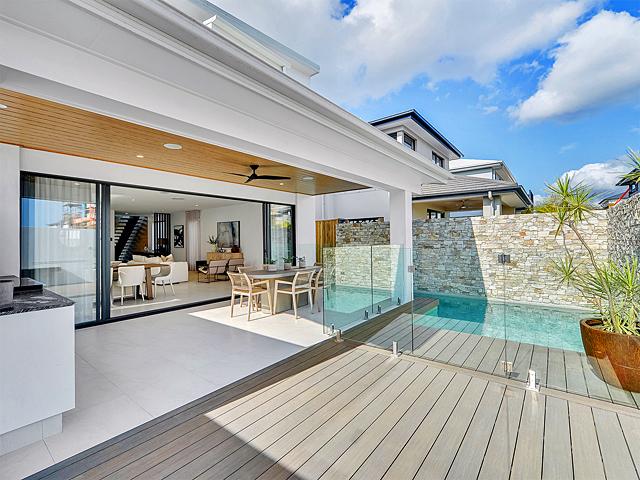
Australian outdoor spaces can be exposed to strong sunlight, heat, heavy rain, humidity and, in coastal areas, salt-laden air. This makes choosing the right decking material an important part of planning an outdoor space.
Composite decking has become popular because it offers a combination of low maintenance, moisture resistance, durability and a consistent modern appearance.
Lower ongoing maintenance : One of the main reasons homeowners choose composite decking is the reduced maintenance compared with many timber decking options. Timber may require regular cleaning, oiling, staining or sealing depending on the timber species and desired finish. Composite decking generally needs routine cleaning without the same need for regular surface treatments.
Resistance to moisture: Composite decking is designed for outdoor environments and can offer good resistance to moisture compared with untreated timber. This can be particularly useful in areas that experience regular rainfall or humidity. However, composite decking still needs proper drainage and ventilation to help prevent moisture-related problems beneath the deck..
No timber splinters: Unlike natural timber, composite decking does not produce timber splinters as the material ages. This can be a useful benefit for outdoor areas where people frequently walk barefoot, although the surface characteristics can vary between products.
Consistent appearance: Natural timber can change colour and appearance over time due to sunlight, weather and ageing. Composite decking is manufactured with controlled colours and surface finishes, helping create a more consistent appearance across the deck. Many products are also designed to replicate the look of natural timber while offering a more contemporary finish.
What Are the Disadvantages of Composite Decking?
Composite decking has many advantages, but it isn’t automatically the right choice for every project.
Higher upfront cost can be a consideration
Depending on the product, composite decking can cost more initially than some timber options. However, the purchase price is only one part of the overall cost of a deck. You should also consider maintenance, cleaning, expected service life, installation requirements and replacement costs when comparing materials.
Composite decking can become hot
Like many outdoor surfaces, composite decking can become hot when exposed to direct sunlight. Colour, surface design, orientation and local weather conditions can all influence how hot a deck feels. This is particularly important for exposed decks and areas where people regularly walk barefoot, such as around pools.
Timber can also perform differently in direct sunlight, and current Australian comparisons note that timber can remain cooler underfoot in hot conditions.
Product quality varies
This is one of the most important points when buying composite decking. There is a significant difference between simply choosing “composite” and choosing a composite product that is properly specified for your application.
Look at:
- Board construction
- Dimensions
- Surface finish
- UV performance
- Moisture resistance
- Warranty
- Span requirements
- Fixing system
- Expansion requirements
- Slip performance where relevant
- Recommended applications
A good decking decision starts with the actual product specification.
Composite Decking vs Timber: Which is Better?
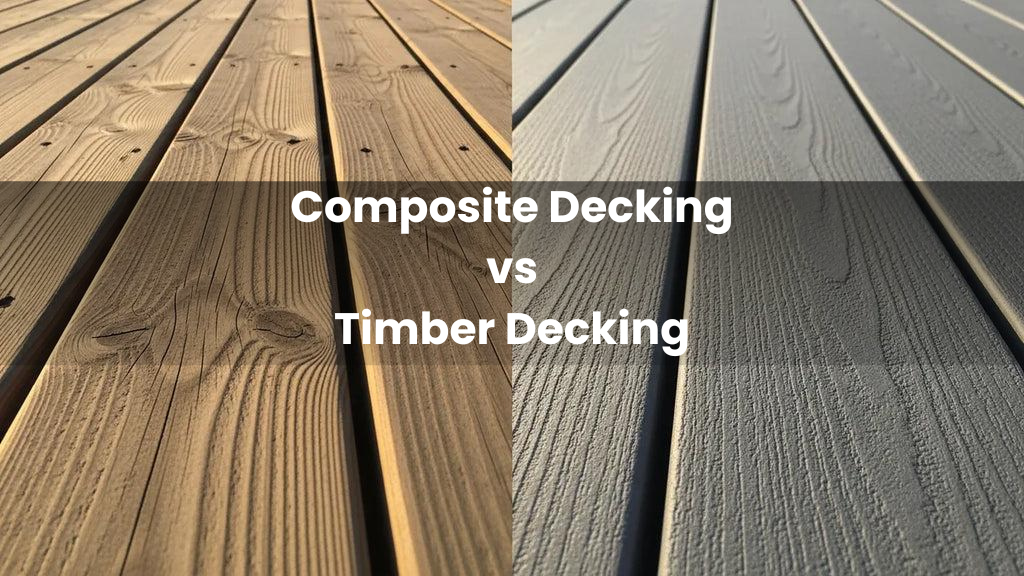
There is no universal winner. The better choice depends on what matters most to you.
| Factor | Composite Decking | Timber Decking |
| Maintenance | Generally lower | Generally higher |
| Appearance | Consistent manufactured finish | Natural timber variation |
| Moisture performance | Product dependent, generally strong | Depends on timber species and maintenance |
| Colour changes | Product dependent | Naturally changes over time |
| Heat in direct sun | Can become hot | Often cooler depending on species and conditions |
| Upfront cost | Varies by product | Varies significantly by timber |
| Ongoing treatment | Generally lower | Often requires oiling, staining or sealing |
| Installation | Requires product-specific installation | Familiar timber installation methods |
| Long-term cost | Should include maintenance and replacement | Should include ongoing maintenance |
Australian decking specialists consistently highlight maintenance, climate, heat, moisture and intended use as important factors when comparing composite and timber.
Choose composite decking if you prioritise:
- Lower ongoing maintenance
- A consistent modern appearance
- Easy routine cleaning
- Resistance to common outdoor moisture issues
- A contemporary alternative to timber
Timber may be preferable if you prioritise:
- The natural character of real timber
- A particular timber species or architectural style
- A traditional timber appearance
- A surface that can feel cooler under certain conditions
The right material is the one that fits the project rather than simply choosing whichever material is marketed as “better.”
How Long Does Composite Decking Last?
There isn’t one universal lifespan for all composite decking. The expected service life depends on factors including:
- Product construction
- Material quality
- UV exposure
- Temperature
- Moisture
- Installation
- Subframe construction
- Maintenance
- Frequency of use
This is why you should always check the specific manufacturer’s warranty and technical documentation instead of relying on a generic claim such as “composite decking lasts 25 years.”
A properly installed, suitable product can provide long-term outdoor performance, but the exact expectation should come from the product specification.
Does Composite Decking Need Maintenance?
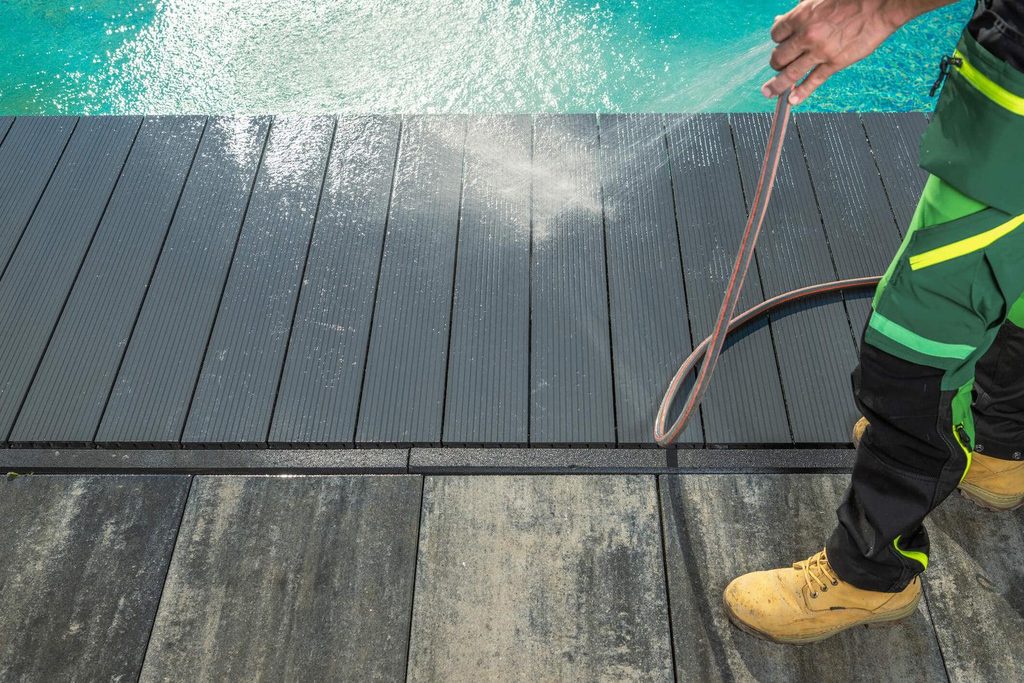
Yes, but generally less maintenance than timber decking. Routine composite deck maintenance can include:
- Sweeping away leaves and dirt
- Removing debris from between boards
- Washing the surface periodically
- Cleaning spills and stains promptly
- Checking drainage around the deck
- Following the manufacturer’s cleaning recommendations
Unlike many timber decks, composite decking generally doesn’t require routine oiling, staining or sealing simply to maintain its manufactured finish. Australian decking guidance also highlights regular cleaning and the reduced need for coating treatments as key differences between composite and timber decking.
Is Composite Decking Good for Brisbane and Queensland?
Composite decking can be a practical option for Queensland outdoor spaces, but the specific product and installation system matter.
Brisbane and other Queensland locations can experience:
- Strong sunlight
- High temperatures
- Heavy rainfall
- Humidity
- Rapid changes between wet and dry conditions
- Coastal exposure in some locations
When choosing decking for these conditions, don’t look only at appearance.
Consider the product’s:
- UV performance
- Temperature behaviour
- Moisture resistance
- Drainage requirements
- Expansion requirements
- Surface characteristics
- Warranty
- Installation specifications
For exposed outdoor areas, colour can also matter because darker surfaces may feel hotter in direct sunlight.
If you’re building near the coast, additional attention should be given to the complete decking system, including the subframe, fixings and drainage—not just the board itself.
Where Can You Use Composite Decking?
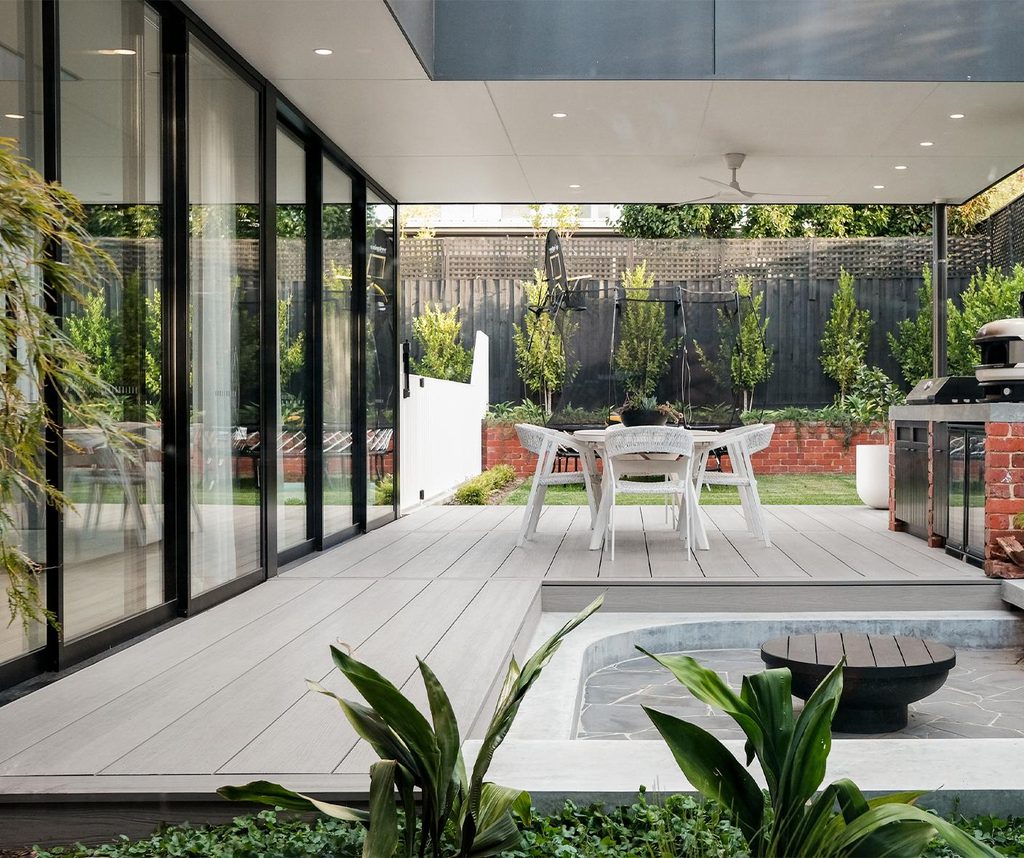
Composite decking can be used in a wide range of outdoor spaces, from residential backyards to larger commercial projects. The right application depends on the decking product, installation method, expected foot traffic and the environmental conditions of the site.
Here are some of the most common applications.
Backyard Decks
A backyard deck can create an extension of your home’s living space and provide an area for relaxing, dining or entertaining. Composite decking is often chosen for these spaces because it provides a consistent, modern appearance while generally requiring less ongoing maintenance than many timber decking options.
Alfresco Areas
Australian homes often make use of alfresco and outdoor entertaining areas. Composite decking can complement these spaces by creating a defined outdoor floor that connects indoor and outdoor living areas. The colour and surface finish can also be selected to complement the home’s exterior, furniture and landscaping.
Patios and Outdoor Living Areas
Composite decking can be used to create a finished surface for patios and other outdoor areas, provided the selected product is suitable for the application. When installing decking in partially covered or uncovered spaces, consider drainage, ventilation and exposure to sunlight and rain.
Pool Areas
Composite decking can be considered for areas around pools, but product suitability is particularly important. Before using composite decking around a pool, check the manufacturer’s recommendations and relevant surface or slip-resistance information. The decking should also be installed with appropriate drainage so water does not remain trapped beneath or between the boards.
Balconies and Elevated Outdoor Areas
Composite decking can be used in some balcony and elevated applications, but these projects require careful attention to the supporting structure. Joist spacing, load requirements, fixing systems, drainage and thermal movement all need to be considered during installation. Always follow the decking manufacturer’s structural and installation requirements rather than applying standard timber-decking practices automatically.
Walkways and Garden Areas
Composite decking can also be used for outdoor walkways, garden paths and transitions between different areas of a property. It can provide a consistent surface while working alongside landscaping, gardens and other outdoor features.
Commercial outdoor areas
Depending on the product specification, composite decking can also be used in commercial environments such as hospitality areas, shared outdoor spaces, offices and other developments. For commercial applications, expected foot traffic, structural requirements, maintenance and local building requirements should be considered before selecting a product.
What Should You Check Before Buying Composite Decking?
Choosing composite decking involves more than comparing colours and prices. Different products can vary in construction, dimensions, surface technology, installation requirements and performance.
Before placing an order, consider the following factors.
1. Board Construction
Find out how the decking board is constructed. Is it hollow or solid? Is it capped or uncapped? Understanding the board construction can help you compare products more accurately and understand how they may need to be installed.
2. Board Dimensions
Check the board’s length, width and thickness. These dimensions affect the appearance of the finished deck as well as the amount of material you will need. They can also influence installation requirements and the number of boards or joists required for your project.
3. Recommended joist spacing
Don’t assume that the joist spacing used for timber decking will work for composite boards. Different composite products can have different span and support requirements. Always follow the manufacturer’s recommended spacing for the specific board.
4. Thermal movement
Composite decking can expand and contract as temperatures change.
This makes installation gaps and the correct fixing method important. A decking system should be installed according to the manufacturer’s requirements to allow for expected movement.
5. UV and Weather Performance
For Australian outdoor spaces, consider how the product is designed to handle sunlight, heat and moisture.
Look for information about UV performance, colour stability and the manufacturer’s recommended applications, particularly if the deck will be exposed to direct sunlight throughout the day.
Check the warranty before buying.
6. Warranty
Don’t look only at the number of years. Understand what the warranty covers, what conditions apply and whether installation requirements need to be followed for the warranty to remain valid.
7. Surface Characteristics
The surface finish affects both appearance and everyday use.
Consider the texture, colour, grain pattern and cleaning requirements. For wet areas such as pool surroundings, check the product’s specific surface and slip-resistance information.
8. Fixing System
Find out how the boards are designed to be installed. Some decking systems use hidden clips or other concealed fixing methods, while others may require visible screws or specific fasteners. The fixing system can affect installation time, appearance and future maintenance or board replacement.
9. Maintenance Requirements
Composite decking is generally selected partly because it requires less maintenance than many timber alternatives, but it still needs regular cleaning. Check the manufacturer’s cleaning recommendations and understand how the surface should be treated if it becomes stained or dirty.
10. Color & Appearance
Colour can have a significant effect on the final appearance of a large deck.
Consider how the colour will look in direct sunlight, shade and alongside your home’s existing exterior. Darker colours can also feel warmer under strong sunlight, so this is worth considering for exposed outdoor areas.
11. Complete Project Cost
Don’t compare decking boards based on price per square metre alone. The total project cost can include:
- Decking boards
- Subframe or joists
- Fixings and clips
- Fascia boards
- Finishing components
- Installation labour
- Delivery
- Cutting and waste
A lower board price doesn’t necessarily mean a lower overall project cost.
12. Installation Requirements
Finally, make sure you understand what is required to install the decking correctly. Check the manufacturer’s installation instructions before purchasing, particularly for joist spacing, expansion gaps, fixing methods, ventilation and finishing details.
A good composite decking product still needs a properly designed and installed supporting structure.
Is Composite Decking Worth It?
Composite decking can be a worthwhile option for homeowners who want a modern outdoor space with lower ongoing maintenance than many traditional timber decking options. Its consistent appearance, resistance to common outdoor conditions and reduced need for regular surface treatments can make it attractive for busy households. However, the initial cost can be higher than some timber alternatives, and composite decking can become warm in direct sunlight. Product quality and installation requirements also vary.
The best choice therefore depends on your budget, location, climate, intended use, appearance preferences and the specific decking product.
Rather than asking whether composite decking is universally better than timber, consider which material provides the right combination of appearance, maintenance, performance and long-term value for your project.
Frequently Asked Questions
What is composite decking made from?
Composite decking is generally manufactured using a combination of wood-based fibres and polymer materials. The exact formulation varies between manufacturers and products.
Is composite decking better than timber?
Neither material is automatically better for every project. Composite decking generally requires less ongoing maintenance, while timber offers natural variation and a traditional appearance. Your choice should depend on your priorities, budget and local conditions.
Is composite decking suitable for Australian weather?
Many composite decking products are designed for outdoor environments, but performance varies between products. Consider UV exposure, heat, rainfall, humidity and coastal conditions when selecting a product.
Does composite decking get hot?
Yes. Composite decking can become hot when exposed to direct sunlight, particularly in darker colours. Consider the deck’s orientation, colour and how the space will be used.
Does composite decking fade?
Some colour change can occur as decking is exposed to sunlight and weather. The amount can vary depending on the product’s formulation, surface technology and UV performance.
Does composite decking need sealing?
Generally, composite decking does not require the regular oiling, staining or sealing associated with many timber decking products. However, routine cleaning is still required and manufacturer’s maintenance instructions should always be followed.
How long does composite decking last?
There is no single lifespan that applies to all composite decking. Product construction, quality, installation, environmental exposure and maintenance can all affect long-term performance. Check the specific manufacturer’s warranty and technical information.
Is WPC decking the same as composite decking?
WPC stands for wood-plastic composite. It is a type of composite material commonly used for decking and other outdoor products. However, different WPC products can have different formulations and constructions.
Is composite decking worth the cost?
Composite decking can provide good long-term value for homeowners who prioritise lower maintenance and a consistent outdoor appearance. Compare the complete project cost, expected maintenance and product specifications rather than looking only at the initial board price.
Explore Truebuild Composite Decking
Planning a new outdoor entertaining area, patio or deck? Explore Truebuild’s composite decking range to compare available options for your project. Before choosing your boards, consider the intended application, local conditions, appearance, installation requirements and the specific technical specifications of the product.
Explore Truebuild Composite Decking
Final Thoughts
Composite decking is more than simply an alternative to timber. It is an engineered outdoor surface designed to combine a timber-inspired appearance with characteristics that can reduce ongoing maintenance and improve resistance to common outdoor conditions. But not every composite decking product is the same. For Australian homes, the best decision comes from looking beyond the colour and price. Consider the board construction, climate, exposure, installation system, maintenance requirements, warranty and how you actually plan to use the space. When those factors are considered together, it becomes much easier to choose a decking solution that looks good today and continues to work for your outdoor space over the years.